Electrical
Recommended standard electrical components in ECE 398 VIP at Bradley University.
Connectors
Connectors to use when carrying power between two points.
Anderson SB-50
High Power - Wire to Wire
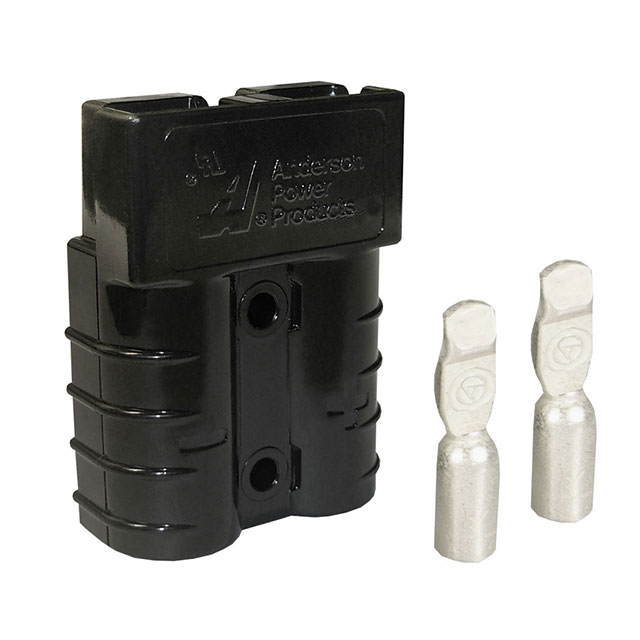
- Good for battery connections to high-power sources (up to 50A)
- Typically connects to larger gauge wire with lugs on the end to attach to battery posts
- No soldering
Anderson PowerPole
Low-Medium Power / Data - Wire to Wire

- Better for small power applications
- Can typically crimp down to 22AWG wire, making it good for communication too
- No soldering
How to crimp these connectors:
Dupont Connectors
Low Power / Data - Wire to Wire

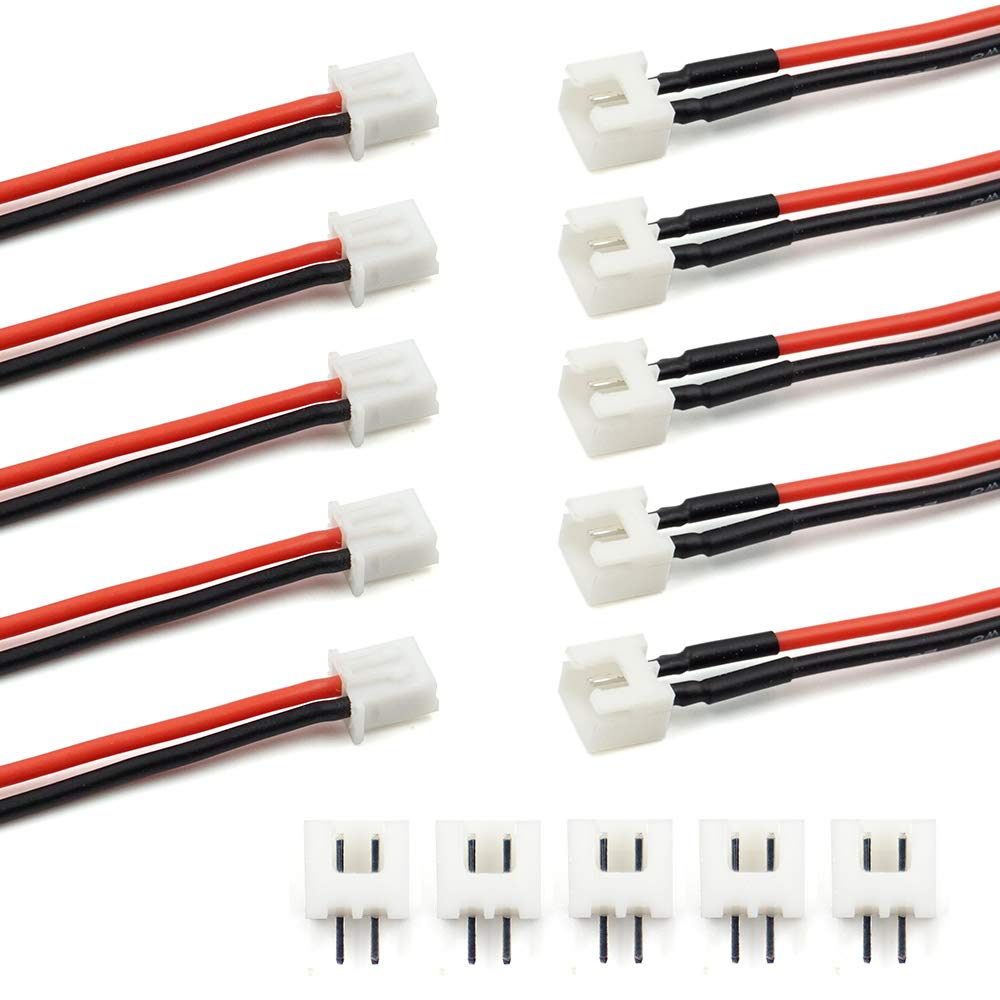
JST-XH Connectors
Low Power / Data - Wire to Wire
Circular Aviation Connectors
Low Power / Data - Wire to Wire
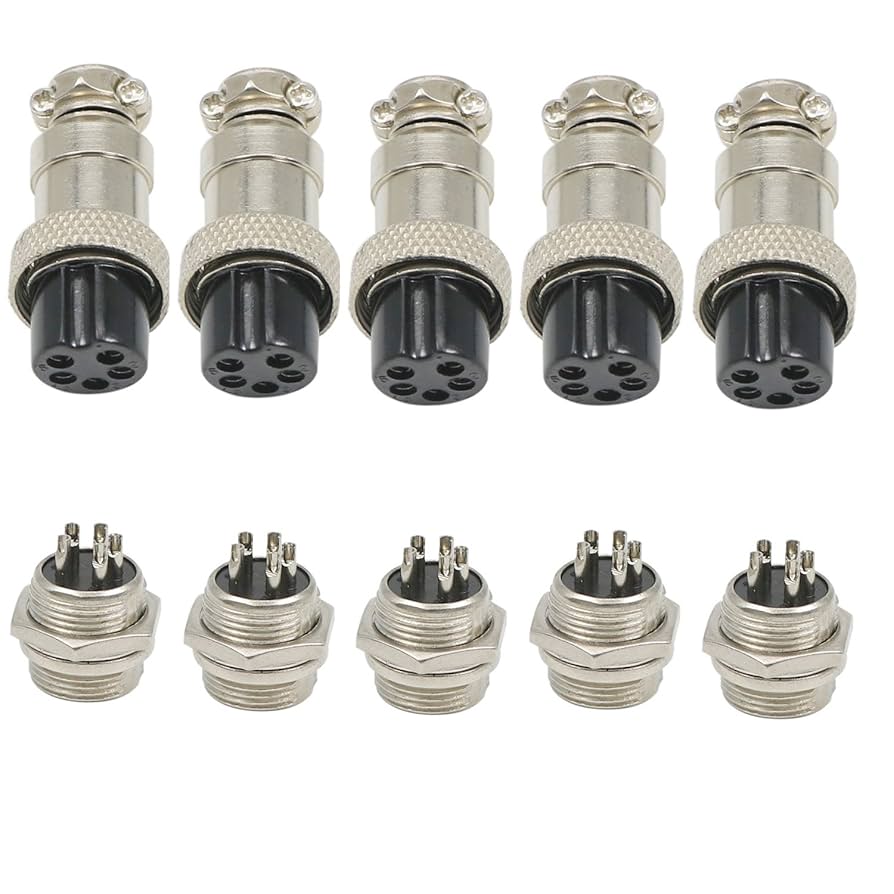
- Good for more rugged environments (outdoors, vibration, etc.)
- More secure connection with threaded locking mechanism
- Requires soldering to attach wires to pins
RJ45 & CAT6E cable (Ethernet)
Low Power / Data - Wire to Wire

- Good for high-speed data transfer
WAGO Connectors
Low-Medium Power / Data - Wire to Wire
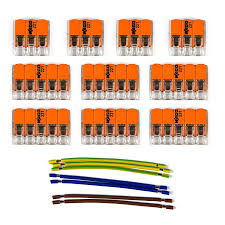
- Good for quick, solderless connections
- Works with many different wire gauges
- Great for prototyping and testing
Screw Terminals
Low Power / Data - Wire to Board
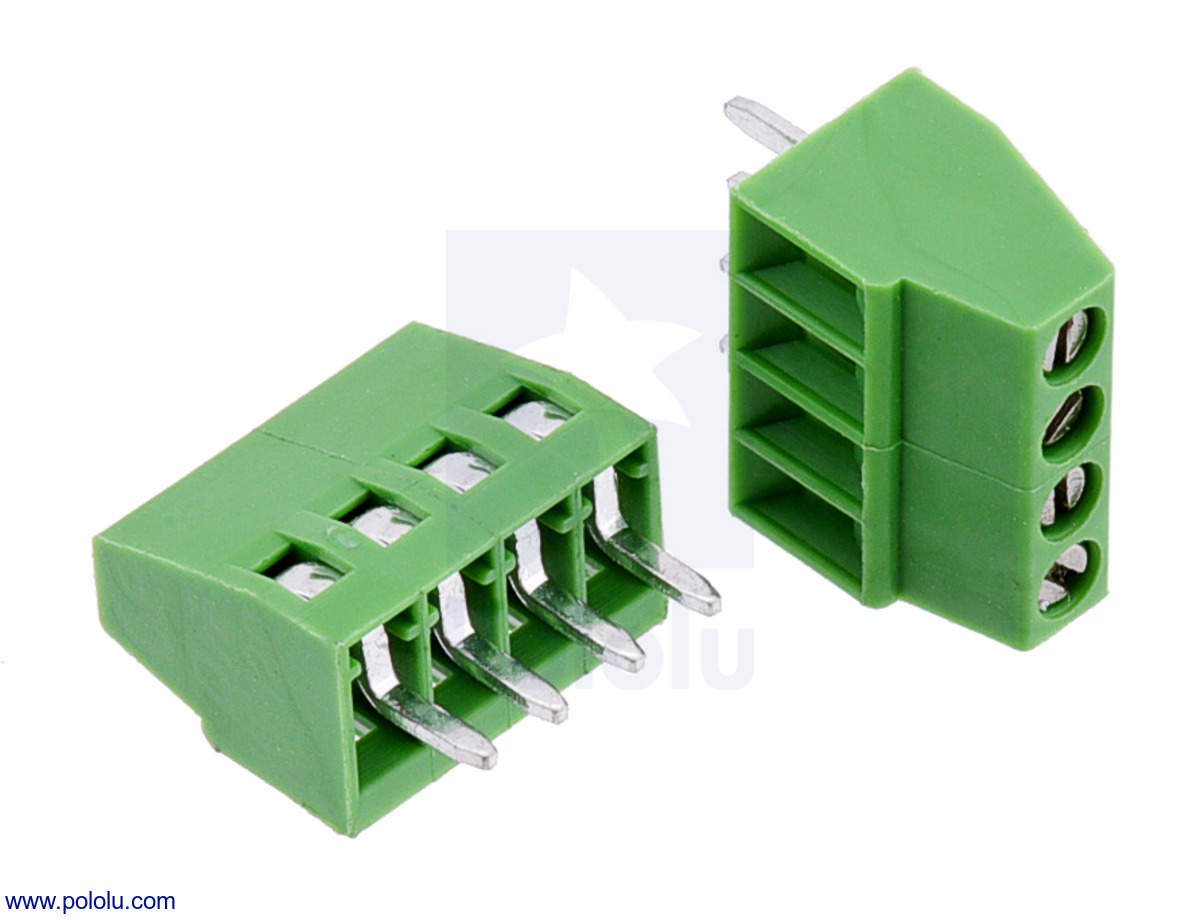
- Great for wire-to-board connections (like to a PCB, breadboard, or proto board)
Terminal Blocks (Din)
Low-Medium Power / Data - Wire to Wire
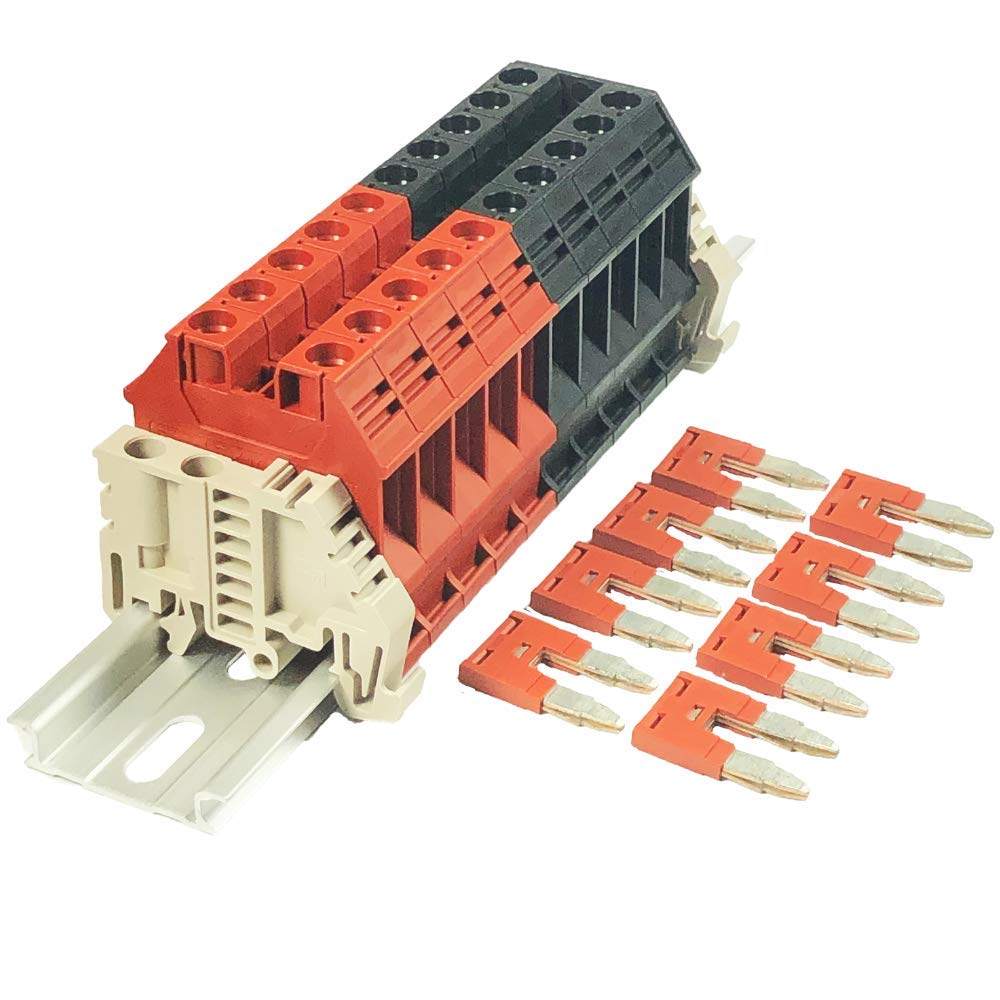
- Mounts to a DIN rail for organization
- Modular
- Come in either screw or spring clamp terminals
Terminal Blocks (Panel Mount)
Low-Medium Power / Data - Wire to Wire
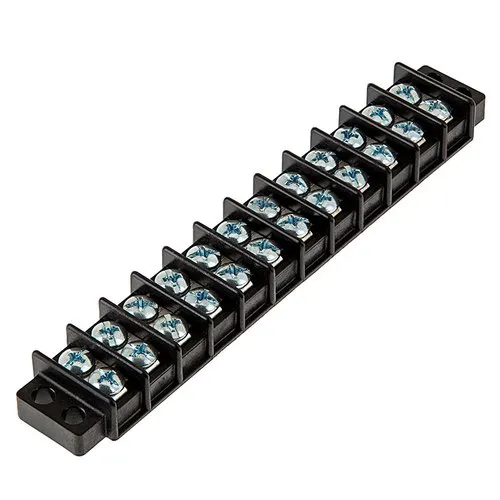
- Mounts to a panel using screw holes
Microcontrollers
Standard microcontrollers for use in ECE 398 VIP projects. Commonly kept in stock in the lab, and recommended for new designs.
Arduino Uno
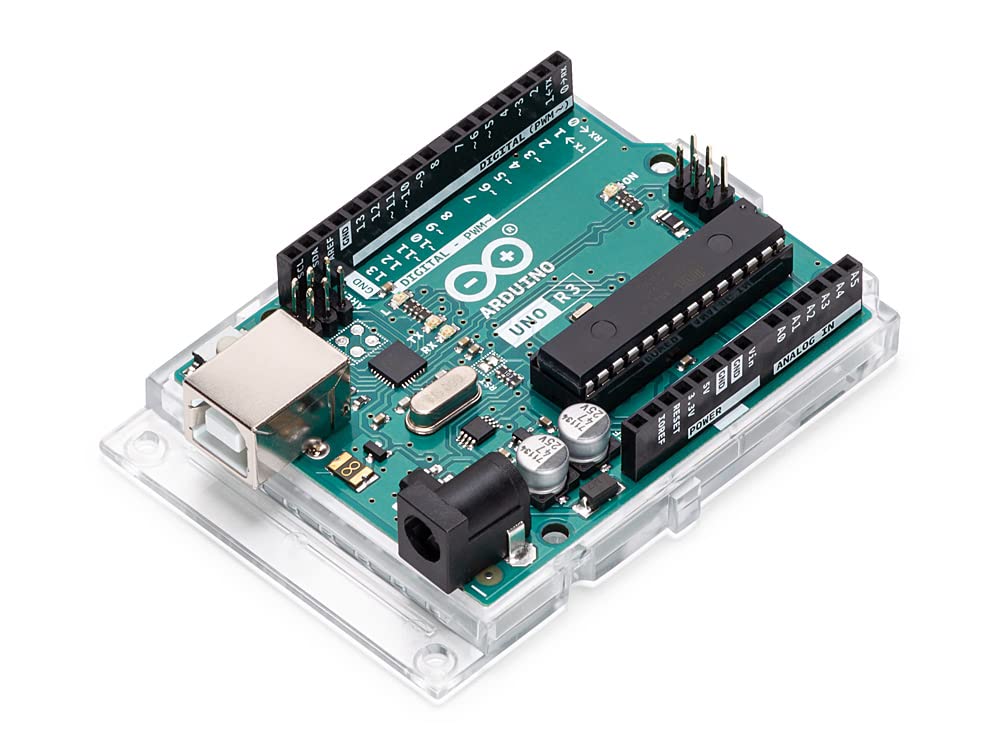
A popular controller based on the ATMega328P microcontroller.
- Easy to prototype
- Lots of libraries and tutorials available
- Not as powerful
| Logic Level | Nominal Clock Speed | WiFi/Bluetooth | SDK | Datasheet |
|---|---|---|---|---|
| TTL (5V) | 16MHz | No | Arduino | Docs |
Raspberry Pi Pico
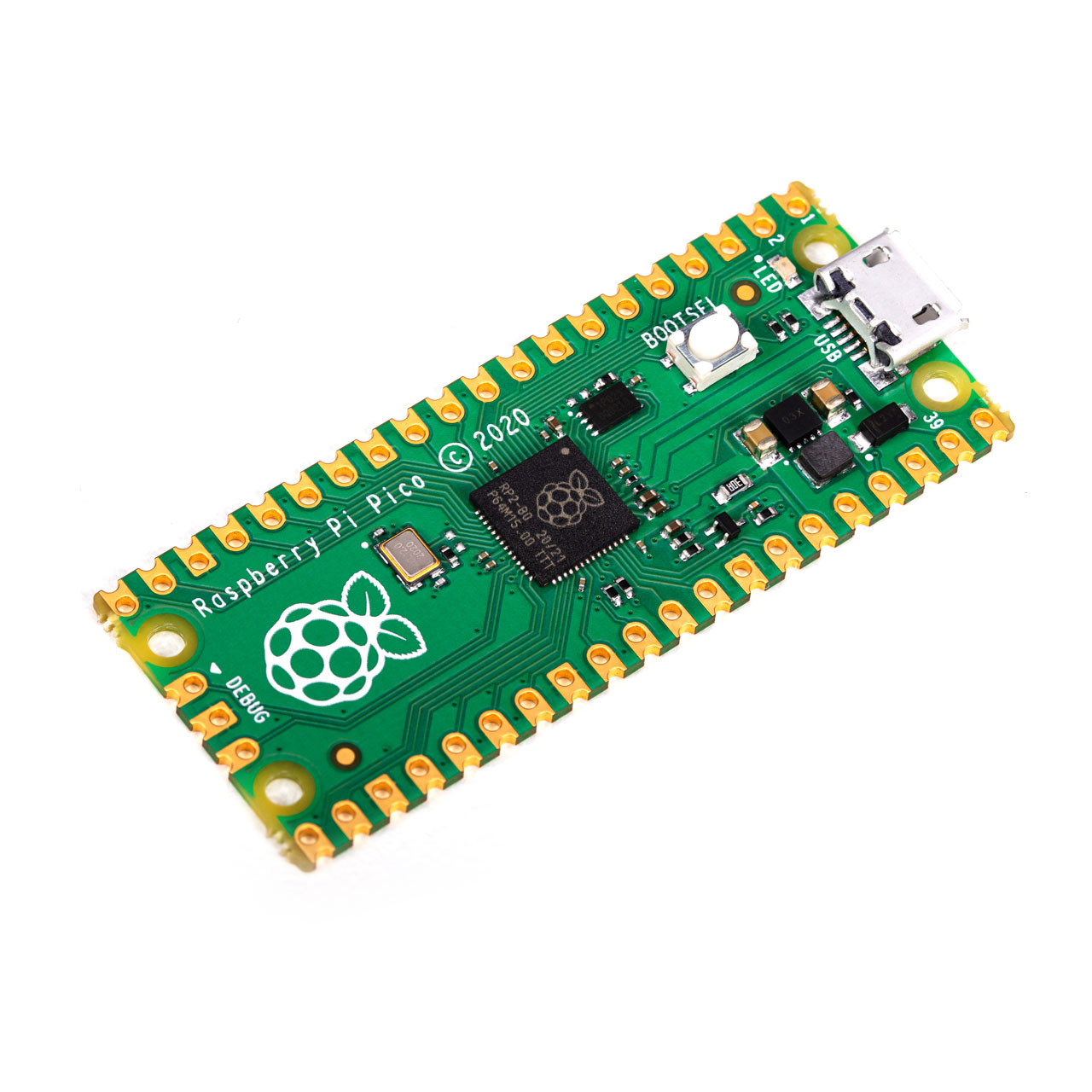
Relatively new microcontroller based on the RP2024 microcontroller.
- Supports Arduino framework
- More powerful than Arduino Uno
- Supports MicroPython and C/C++
- Smaller package
- Easily integrated with custom PCBs
Different Variations:
- Pico-W (Pico Wireless RP2040)
- Pico (Pico RP2040, original version)
- Pico 2 (Pico RP2350, newer version)
| Logic Level | Nominal Clock Speed | WiFi/Bluetooth | SDK | Datasheet |
|---|---|---|---|---|
| LVTTL (3V3) | 133MHz | Some Models | Pico SDK | RP2040 Datasheet |
ESP32
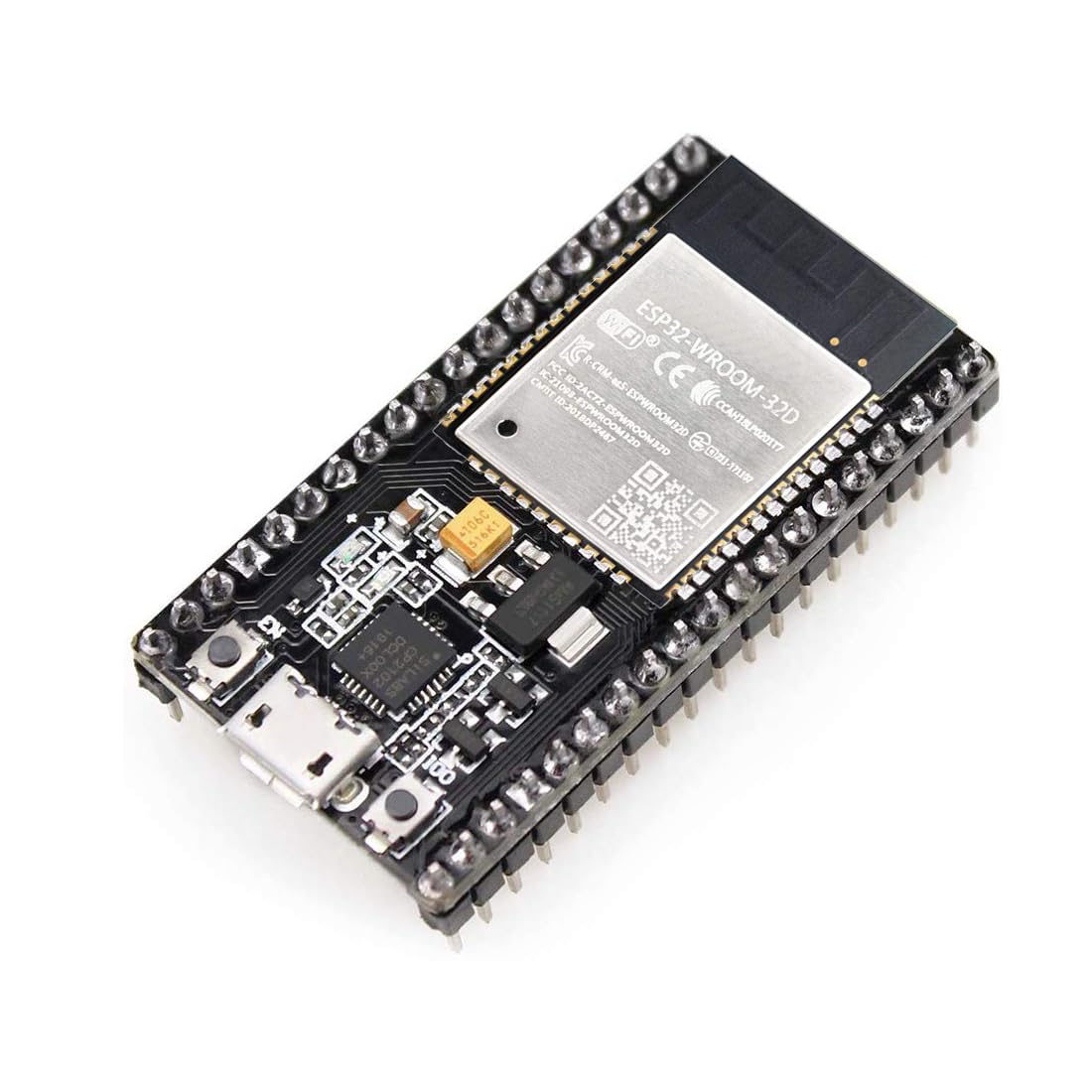
A powerful microcontroller with built-in WiFi and Bluetooth.
- Supports Arduino framework
- Useful for projects needing bluetooth or WiFi connectivity
- Faster clock speed than Arduino Uno
- Uses FreeRTOS out of the box
| Logic Level | Nominal Clock Speed | WiFi/Bluetooth | SDK | Datasheet |
|---|---|---|---|---|
| LVTTL (3V3) | 80-260MHz | Most Models | ESP-IDF | ESP32 Hardware Docs |
Single-Board Computers
Raspberry Pi 4/5
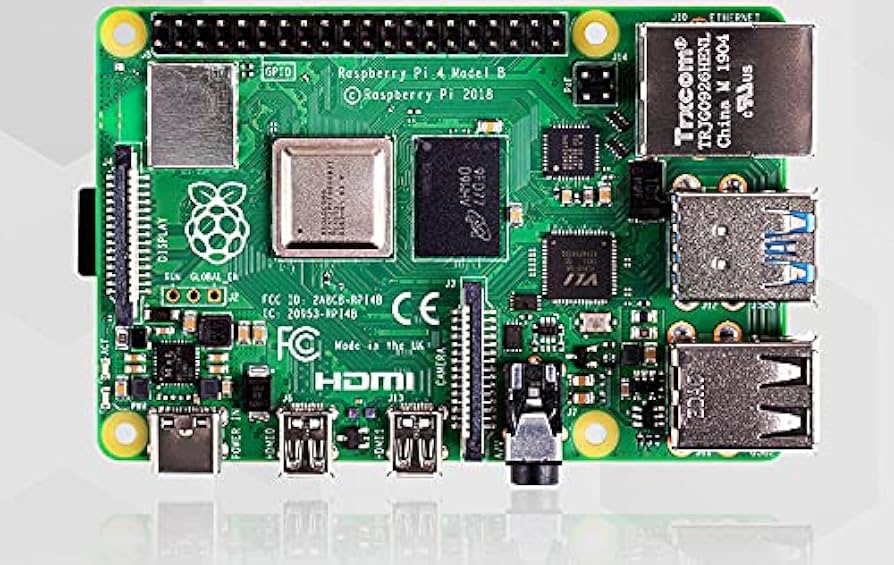
A linux computer on a single board that can run a full operation system, allowing for more complex tasks like running a web server, or processing large amounts of control data.
- More powerful than microcontrollers
- Typically runs a Linux based operating system